
February 10, 2026
Article
Why We Believe Everyone Deserves Perfect Memory
Your brain wasn't designed for the information age. It's time to fix that.
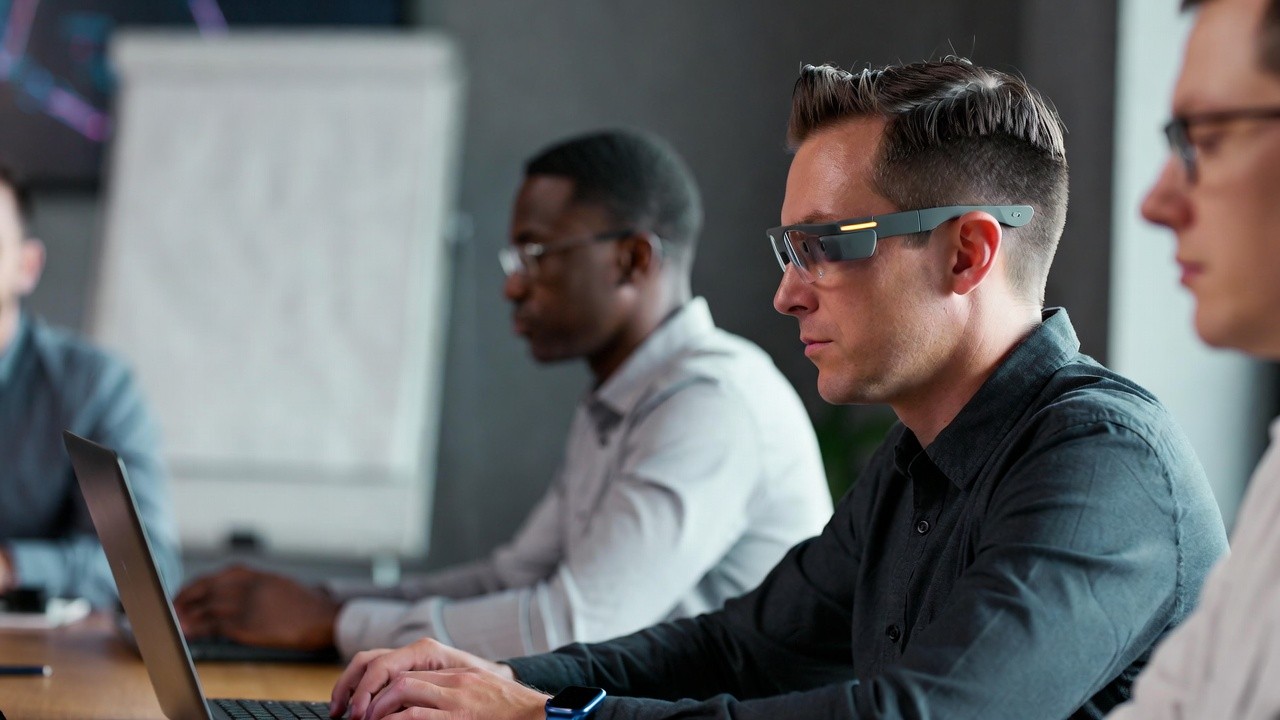
The Unfair Advantage of Recall
Think about the last important meeting you had. How much do you actually remember?
You might recall the main points. Perhaps a few key phrases. Maybe the general sentiment. But the specific details, the exact wording of a critical commitment, the subtle shift in tone when someone expressed a concern. Those are already fading.
Now imagine your colleague recorded everything. They have perfect recall of what was said, when it was said, and how it was said. In the follow-up, they reference specific commitments with precision. They catch the inconsistencies between what was promised and what's being delivered. They build on ideas that others have already forgotten.
Who has the competitive advantage?
This isn't hypothetical. This is happening right now. Some people are already augmenting their memory. They're taking detailed notes, recording conversations (with permission), using sophisticated systems to capture and retrieve information. They're operating with perfect recall while everyone else operates with biological limitations.
The gap between those who remember everything and those who don't is becoming a gap in capability, influence, and achievement.
Memory Is the Foundation of Intelligence
We've been thinking about memory wrong. We treat it as a storage problem, when it's actually an intelligence problem.
Your ability to think, reason, and make decisions is fundamentally limited by what you can recall. You can't connect ideas you've forgotten. You can't learn from patterns you don't remember. You can't build on conversations that have faded from your mind.
Perfect memory doesn't just mean remembering more. It means thinking better. It means making connections others miss. It means learning from every experience instead of just the memorable ones.
When you have perfect recall, every conversation becomes a resource. Every meeting becomes data. Every interaction becomes an opportunity to learn, improve, and excel.
The people with perfect memory aren't just remembering more. They're operating at a fundamentally higher level of intelligence.
The Biological Limitation We Accepted Too Easily
For thousands of years, forgetting was inevitable. Our brains evolved to prioritize survival, not comprehensive information retention. We developed elaborate systems to work around this limitation: writing, note-taking, documentation, knowledge management systems.
But we never questioned whether the limitation itself was acceptable.
We built entire industries around compensating for poor memory. We developed best practices for "effective note-taking." We created methodologies for "knowledge management." We trained people to work within the constraints of biological recall.
What if we just eliminated the constraint instead?
Perfect memory isn't science fiction anymore. The technology exists. Ambient intelligence can capture everything you see and hear, process it locally, and make it available for instant recall. You don't need to take notes. You don't need to remember to record. You don't need to develop elaborate systems to compensate for forgetting.
You just remember everything.
What Changes When Nothing Is Forgotten
Perfect memory fundamentally changes how you operate:
In meetings, you're fully present because you're not frantically taking notes. You can focus on the conversation, the dynamics, the unspoken signals, knowing that every word is captured for later review.
In learning, you absorb information without the anxiety of forgetting. You can focus on understanding in the moment, then revisit the details later with perfect fidelity. Every lecture, conversation, or insight is permanently accessible.
In relationships, you remember what people told you. Their preferences, their stories, the details that matter to them. You build deeper connections because nothing important slips through the cracks.
In decision-making, you have access to the full context. Not just the summary you wrote down, but the actual conversation. Not just the conclusion, but the reasoning that led there. You make better decisions because you're working with complete information.
In productivity, you stop losing time to re-learning, re-discovering, and re-creating things you've already done. Every solution you've found, every insight you've had, every piece of knowledge you've acquired. It's all instantly retrievable.
This isn't about remembering trivia. It's about operating without the constant limitation of forgetting.
The Gap Is Growing
Here's what's happening right now: some people are already augmenting their memory. They're using tools, systems, and technologies to capture and recall information that others forget.
Every day this gap widens.
The professional who remembers every client conversation in detail builds stronger relationships than the one who forgets. The leader who recalls every team member's concerns and contributions builds better teams. The creator who can access every idea they've ever had produces better work.
The people with perfect memory are pulling ahead. Not because they're smarter or more capable, but because they're operating without a fundamental limitation that everyone else still has.
This creates a new kind of inequality. Not based on intelligence or opportunity, but based on recall capability.
Why Access Matters
We believe perfect memory should be universal, not exclusive.
Not because of fairness (though that matters). Not because of equality (though that does too). But because of what becomes possible when everyone operates at their full cognitive potential.
When perfect memory is universal, conversations get better. People actually listen instead of trying to remember. They engage with ideas instead of documenting them. They build on what was said instead of reconstructing it from fragile notes.
When everyone has perfect recall, accountability improves. Commitments are remembered. Promises are tracked. Inconsistencies are caught. The social contract gets stronger because memory is reliable.
When access is universal, we stop optimizing for the limitations of biological recall. We stop dumbing down information to make it "memorable." We stop repeating ourselves because people forgot. We stop losing knowledge when people leave or memories fade.
Perfect memory for everyone doesn't just help individuals. It upgrades how we collaborate, communicate, and build on each other's ideas.
The Technology Is Ready
Ambient intelligence makes perfect memory possible. Smart glasses with continuous awareness can capture everything you see and hear, process it locally on-device, and make it available for instant, contextual recall.
No manual recording. No note-taking. No trying to remember. Just automatic, continuous capture of your entire experience.
The technology is here. The question isn't whether perfect memory is possible. It's who gets access to it first.
Early adopters are already experiencing what it's like to operate without the limitation of forgetting. They're building competitive advantages that compound daily. They're developing capabilities that others can't match.
The gap between those with perfect memory and those without is measurable now. It will be enormous in a year.
What Perfect Memory Means for You
Perfect memory changes everything:
You stop losing ideas. Every insight, every connection, every creative spark, captured and accessible forever.
You stop forgetting commitments. What people asked you to do, what you promised to deliver, what needs to happen next—it's all there.
You stop missing details. The context that matters, the nuance that changes meaning, the small signals that reveal big patterns. You have access to all of it.
You stop working from incomplete information. You have the full conversation, the complete context, the actual details, not a summary written under time pressure.
You start operating at your full cognitive potential. You think with your entire experience, not just the fraction you managed to remember.
The Choice Ahead
Perfect memory is no longer a biological impossibility. It's a technological choice.
You can continue operating with the limitations of biological recall, losing details, forgetting conversations, and working from incomplete information.
Or you can operate with perfect memory, capturing everything, remembering precisely, and working with complete context.
The people making the second choice are already pulling ahead. They're building advantages that compound daily. They're operating at a level that biological memory can't match.
The question isn't whether perfect memory matters. It's whether you're willing to operate without it while others aren't.
Ryxa AI is building the future of ambient intelligence. Join our waitlist to be among the first to experience what it's like to operate without memory friction.